Pick the Brand Before the Brand Picks You
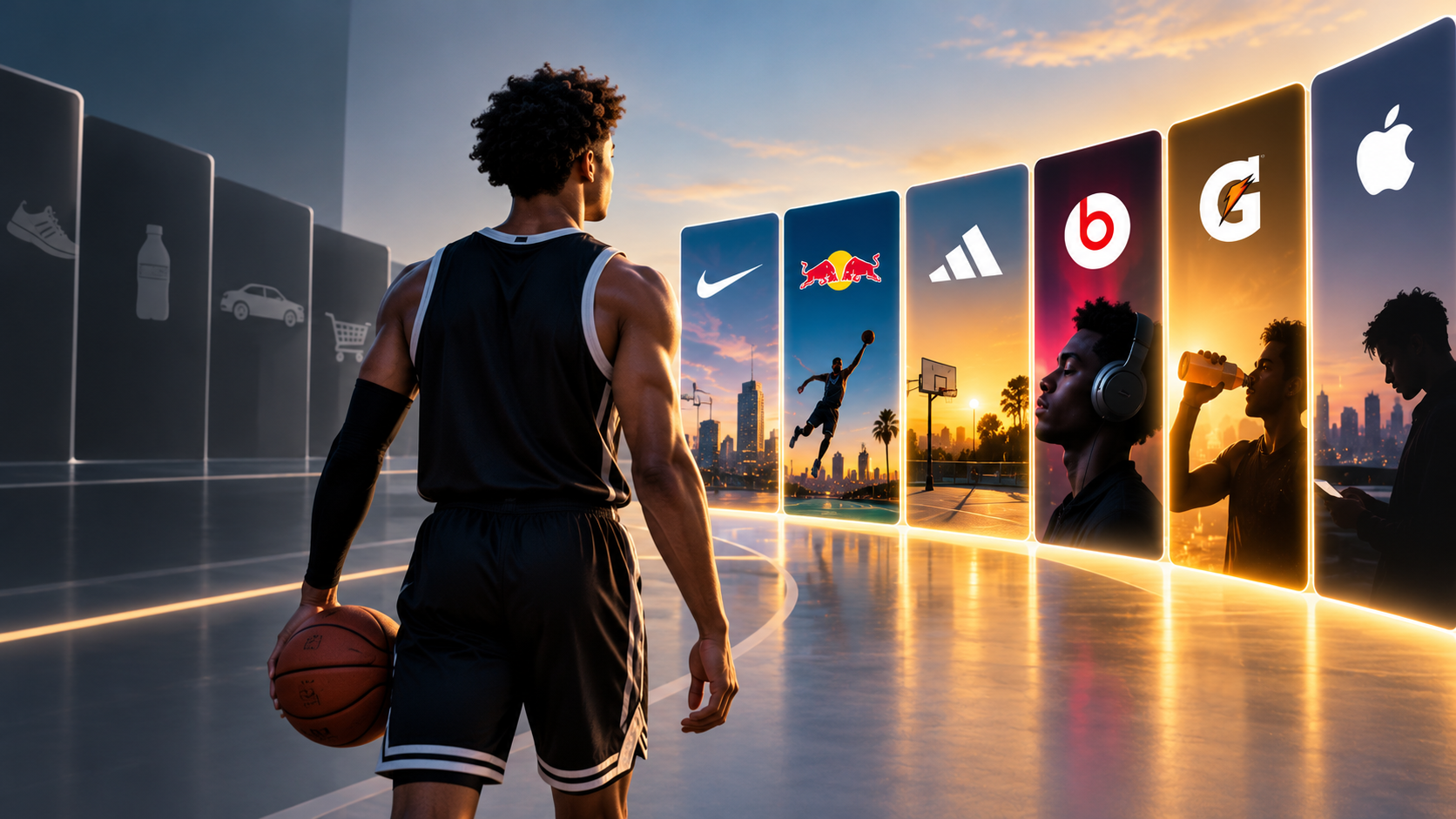
For most athletes, sponsorship starts with a question:
"Which brands would want to work with me?"
It's a reasonable question. But it might be the wrong one.
What if, instead of waiting for a brand to discover you, you already knew which brands made the most sense for your audience, your identity, and your commercial potential?
What if you could approach those brands with a compelling reason to partner, rather than simply hoping for their attention?
That's the difference between waiting for sponsorship opportunities and actively creating them.
The Sponsorship Game Has Traditionally Worked Backward
For years, athletes have built their profiles, grown their social media audiences, and hoped the right opportunities would follow.
Brands, meanwhile, have searched for athletes who match their campaigns, budgets, and marketing objectives.
The result? Athletes often enter sponsorship conversations reacting to opportunities rather than strategically pursuing them.
And when those conversations happen, the pitch frequently starts with follower counts, engagement rates, and athletic achievements.
Those metrics matter. But they leave a much more interesting question unanswered:
Why is this particular athlete the right commercial partner for this particular brand?
That's where brand fit changes the conversation.
Brand Fit Is More Than Having the Right Image
Think about an athlete who consistently shares fitness content, attracts an audience interested in wellness, and naturally engages with sports nutrition brands.
Now imagine another athlete with a larger following but an audience primarily interested in entertainment and lifestyle.
Which athlete would be a better partner for a performance nutrition company?
The answer isn't necessarily the one with more followers.
It's the athlete whose audience, interests, credibility, and identity align most closely with what the brand wants to achieve.
That's the power of brand fit.
And it goes beyond simply liking a product or sharing a brand's values.
Meaningful brand fit brings together three important dimensions:
- Audience alignment: Does the athlete reach people the brand wants to connect with?
- Brand affinity: Is there a credible connection between the athlete, their community, and the brand or its category?
- Commercial relevance: Can the athlete create meaningful value for the brand through their influence, visibility, and engagement?
When those elements come together, sponsorship becomes more than a transaction. It becomes a partnership with a clear strategic purpose.
Stop Waiting to Be Discovered
Here's where things get interesting.
Imagine walking into a sponsorship conversation already knowing which brands are most relevant to your audience.
Not because those brands contacted you.
Not because someone suggested them based on intuition.
But because you have a clear understanding of your audience, your positioning, and the commercial opportunities surrounding your personal brand.
Suddenly, the conversation changes.
Instead of saying, "I'd love to work with your company," you can explain why a partnership makes sense.
You can demonstrate how your audience overlaps with the brand's target market, how your identity complements its positioning, and what kind of authentic connection you could create.
You're no longer just presenting yourself as an athlete available for sponsorship. You're presenting a commercial opportunity.
For agencies and athlete representatives, this approach creates another advantage: the ability to build targeted prospect lists based on strategic fit rather than pursuing brands indiscriminately.
It's a more intentional way to approach the market.
Your Best Sponsorship Might Not Be the Most Obvious One
Brand fit can also reveal opportunities athletes might otherwise overlook.
A basketball player might naturally pursue sportswear brands. But their audience could have a strong interest in gaming, technology, or automotive brands.
A soccer player might be an excellent partner for a regional financial services company because of their connection to a specific community.
An emerging college athlete could offer a local business greater audience relevance than a nationally recognized athlete with a much broader following.
These aren't guaranteed partnerships. They're possibilities that become easier to identify when commercial decisions are informed by more than popularity.
Sometimes the most valuable opportunity isn't the biggest brand. It's the brand that makes the most sense.
And that distinction can be especially meaningful for emerging athletes who don't have massive followings but do have highly relevant audiences and authentic connections.
The Future Belongs to Athletes Who Know Their Value
Athletes have spent years being told to build their audiences, strengthen their personal brands, and increase their visibility.
That's still important.
But the next step is understanding what that visibility means commercially — and which brands stand to benefit from it.
Data and audience intelligence can help make those connections clearer. They don't replace authenticity, relationships, or the creative thinking that makes a sponsorship successful.
They make it possible to approach those conversations with greater confidence and direction.
Because the future of athlete sponsorship shouldn't be about waiting for someone else to decide your commercial potential.
It should be about understanding it, positioning it, and pursuing the opportunities that fit.
The next time you think about sponsorship, don't just ask which brands might choose you.
Ask which brands you would choose — and why they should choose you back.